Can you smile in a passport photo?
There are a number of requirements for a passport photo, just as there are for any official ID document. The image must clearly meet all stated criteria to be accepted. Yet before taking a picture, many people still wonder: is it allowed to smile in a passport photo?
Table of contents
- U.S. passport photo with a smile
- Smiling requirements in major passport photo standards
- Why is it usually not allowed to smile in ID photos?
- How to take a passport photo in seconds?
- Maintaining a neutral facial expression in a passport photo: posing tips?
In this article, we explain the current passport photo rules and clarify what kind of expression is permitted.
U.S. passport photo with a smile
The U.S. passport photo rules are more flexible in this regard than those of many other countries: the Department of State officially permits a >natural, slight smile in passport photos. This means you may look relaxed and pleasant, as long as your expression does not alter your facial features.
However, you should avoid broad smiles or showing your teeth, as this may affect biometric recognition and lead to the photo being rejected. For the most reliable result, it is safest to maintain a neutral expression with your mouth closed and your face relaxed.
Smiling requirements in major passport photo standards
Passport and ID photo requirements vary from country to country, especially when it comes to facial expression. Some states allow a mild, natural expression, while others require a strictly neutral look. Below is an overview of the current rules for several major jurisdictions.
Canada
According to Immigration, Refugees and Citizenship Canada (IRCC), applicants must maintain a neutral facial expression in passport photos. A slight, natural expression may be tolerated, but smiling is generally discouraged. The mouth must be closed, and both eyes must be clearly visible. Broad smiles and exposed teeth are not permitted.
United Kingdom
UK passport photo regulations issued by HM Passport Office are strict: you cannot smile in your passport photo. Applicants must have a completely neutral expression with their mouth closed. Even a faint smile may cause rejection, especially in online applications where automated systems check the image.
European Union (EU)
Most EU countries follow ICAO (International Civil Aviation Organization) biometric standards, which require a neutral expression with the mouth fully closed. While a very subtle, relaxed expression is usually acceptable, smiling is not allowed. Photos with visible teeth or raised cheeks are often rejected by automated systems used in e-passport processes.
South Africa
South African Department of Home Affairs also mandates a neutral facial expression for passport and ID photos. Smiling, frowning, or raising eyebrows is prohibited. The applicant must look straight into the camera with a closed mouth. A tense or exaggerated expression may lead to the need for retaking the photo.
India
India’s passport and visa photo rules require a neutral, front-facing expression. Applicants should not smile, show teeth, or squint. The facial expression must be relaxed, with eyes open and mouth closed. These rules apply equally to passport applications, OCI cards, and most visa categories, including the India e-Visa.
Why is it usually not allowed to smile in ID photos?
About 10–15 years ago, smiling in passport or ID photos was widely permitted. However, as biometric systems became more sophisticated, many countries tightened their requirements. Today, most national standards require a completely neutral facial expression.
Here are the main reasons behind the restriction:
- Reduced accuracy of biometric systems: Smiling can interfere with automated facial recognition, as official databases typically store images of individuals with a neutral expression.
- Distortion of facial features: Smiling, laughing, or making exaggerated expressions engages numerous muscles and can visibly alter the shape of the face, making identification less reliable.
The conclusion is clear: in most countries, you cannot use a passport photo with a pronounced smile. To avoid issues such as rejection or delays, it is best to maintain a calm, neutral expression during the session.
Beyond smiling, you should also avoid crying, laughing, frowning, or making any intentional facial expressions. It is likewise advisable to postpone the photo if you have temporary facial injuries—such as bruises, swelling, or notable redness—as these may affect recognition.
That said, a very slight, natural lift of the mouth corners with the lips closed is generally acceptable. Many photographers recommend thinking of something pleasant to keep your face relaxed without forming an actual smile.
How to take a passport photo in seconds?
To have your photo accepted without any problems, the processed passport photo must comply with the current rules. The specialized service Visafoto has been processing photos for different types of documents since 2013.
The program knows all photo requirements for passports, driver's licenses, visas and other types of ID. Use Visafoto to get a quality photo in seconds! It's fast and very convenient.
Source

Result
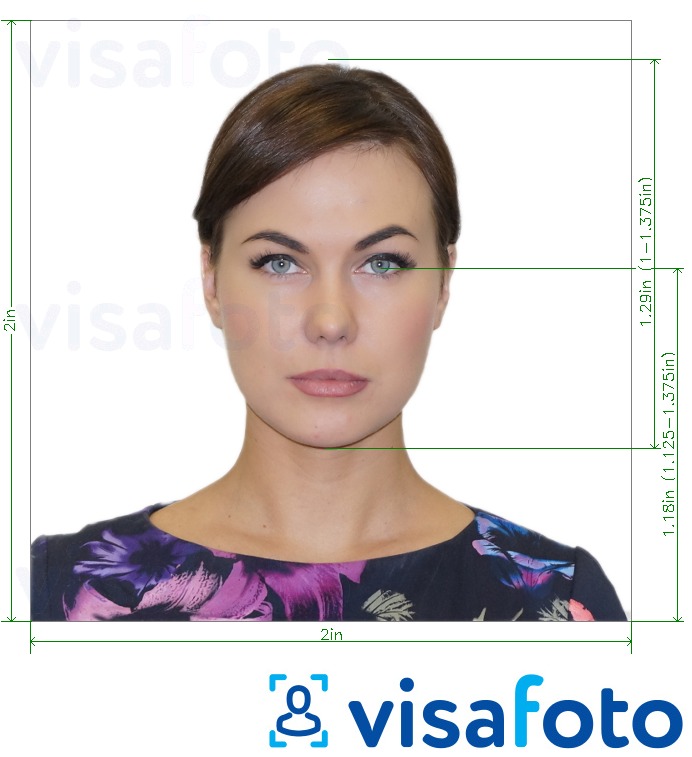
Where can I get my passport photo taken? With Visafoto, you don't need to visit a photo studio. Just follow these simple steps:
- Take a photo against any background with a normal camera with sufficient resolution;
- Upload your passport photo online at Visafoto;
- Download the finished images!
First, take an original photo like this one:
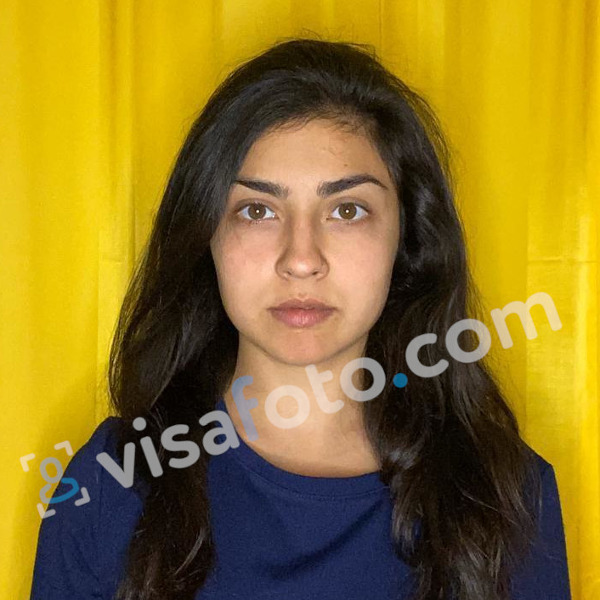
You will get photos like these ones:

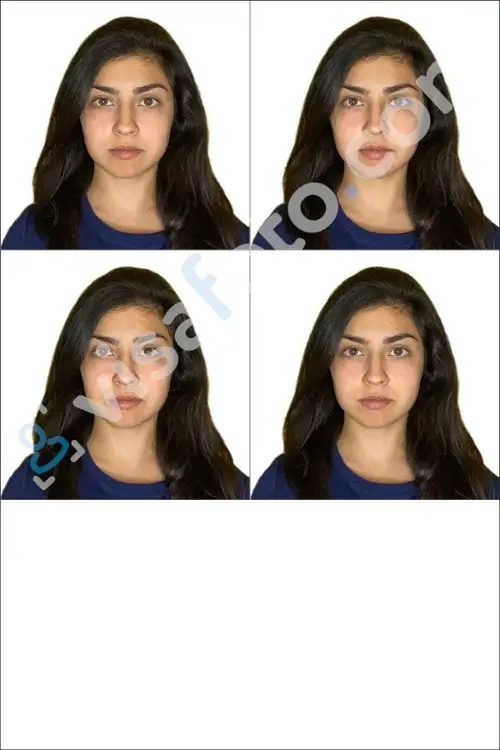
You can use your finished passport photo for both printing and online submission. The size, background, and resolution requirements will be met.
Maintaining a neutral facial expression in a passport photo: posing tips
Achieving a neutral expression can feel unnatural, especially if you are not used to being photographed in a formal setting. However, with a few simple techniques, you can look calm, natural, and compliant with official requirements.
Here are practical tips to help you maintain the correct pose:
- Relax your face before taking the photo. Gently loosen your jaw, drop your shoulders, and take a few slow breaths to reduce tension.
- Keep your lips closed and relaxed. Do not press them together tightly; instead, let them rest naturally without forming a smile.
- Look straight into the camera. Your head should be upright, facing forward, with both eyes fully open.
- Avoid raising your eyebrows or squinting. Even slight eyebrow movement can distort your overall expression.
- Think of something pleasant. This helps soften your expression so you do not appear tense or overly serious without forming a visible smile.
- Keep your chin in a natural position. Do not tilt it up or down; imagine a straight line from your nose to the camera lens.
- Hold still for a moment. Sudden movement may cause blurriness or alter your expression right before the shot.
These recommendations will help you capture a photo that meets biometric standards while still looking like a natural, accurate representation of yourself.
Last updated: 2025-12-02