U.S. Social Media Screening for Visa Applicants: A 2026 Guide

The U.S. government now uses social‑media checks as part of the visa vetting process. For many applicants, this means that what they post online and how they manage their accounts can directly affect whether they get a U.S. visa or not. This article explains how the U.S. social‑media screening works, what you must do to comply, and what you can do to protect your case.
U.S. Visa Photo: Online Solution
A photo is a required part of your US visa application. When submitting Form DS-160, you must upload a recent photo that meets strict US Department of State requirements. Incorrect size, background, or lighting can delay your application.
Visafoto helps you create a compliant US visa photo online in minutes. You simply upload a picture from your phone or camera, select the document type, and receive a properly formatted photo ready for DS-160 submission or printing.
Example of the photo you can upload to Visafoto:
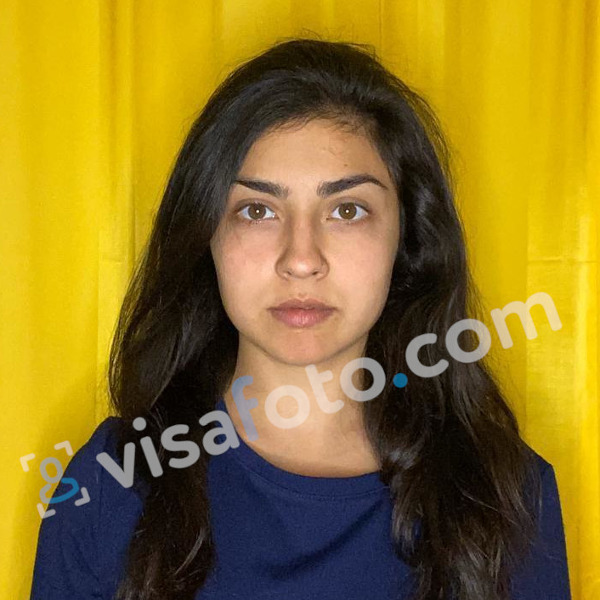
The service automatically adjusts size, background, and lighting to match official US visa standards, making the process fast and reliable.
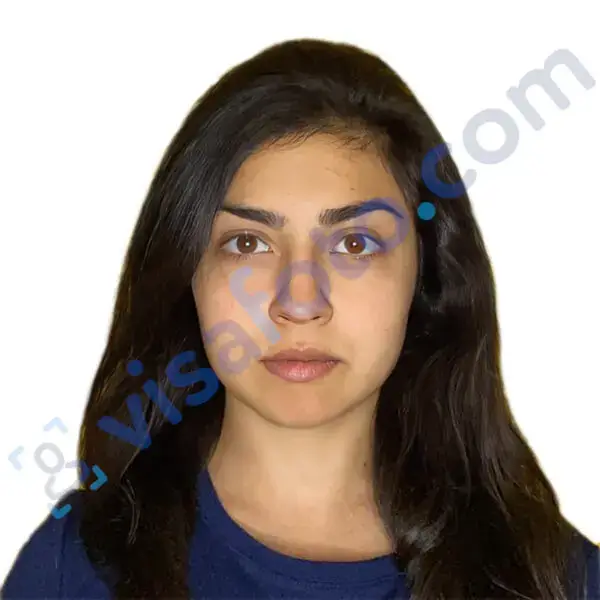
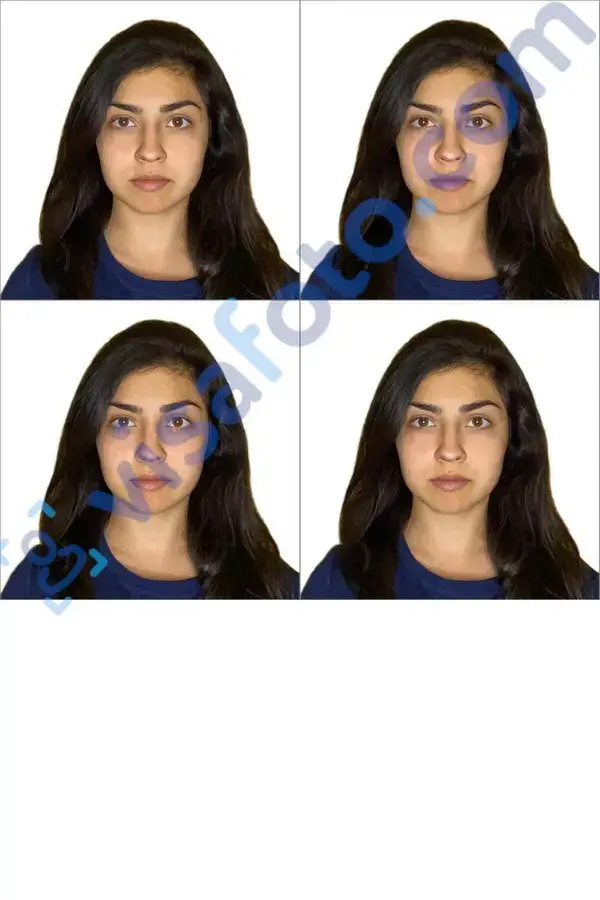
Visafoto also includes a money-back guarantee if your photo is not accepted by the authorities.
What Is the U.S. Visa Social Media Check?
Since 2025, with further expansion expected in 2026, the U.S. Department of State has included social media checks as part of the visa application review process. This forms part of the U.S. visa social media policy for nonimmigrant applicants.
Consular officers may review publicly available content such as posts, follows, tags, and shared links across platforms like Instagram, VK, X (Twitter), LinkedIn, Facebook, and Telegram.
The purpose is to identify potential national security concerns, fraud indicators, or clear grounds of inadmissibility, such as extremist activity, threats toward U.S. citizens, or links to organized crime.
This is not mass surveillance of every account, but it is a systematic online presence inspection that can influence your U.S. visa social media review outcome.
Which Visas Are Affected by Social Media Vetting?
U.S. social‑media screening now applies to several nonimmigrant visa categories.
- F, M, J visas (students and academic exchange visitors). For example, J1 visa social media vetting is now standard for exchange visitors. Consular officers may review online activity to confirm the legitimacy of your academic plans, your ties to your home country, and your overall online conduct.
- H‑1B, H‑4, H‑3 (work and training visas). Officers may examine social media profiles to verify professional background, employment history, and whether your public online presence aligns with the information provided in your DS-160 application and supporting documents.
- K‑1, R‑1, T, U, S, Q, A‑3, G‑5 and others added from March 30, 2026 onward. For these applicants, consular officers may review public posts, follower networks, and activity patterns to assess credibility, relationship authenticity, and potential risk factors.
All nonimmigrant applicants must disclose social‑media identifiers on Form DS‑160, if they use any social media accounts.
U.S. Visa Social Media Requirements: What You Must Provide
When applying for American visa, you must complete the dedicated social media section of Form DS-160 by providing the following information:
- The platforms you have used. List all social media platforms you have used, such as Instagram, Facebook, X (Twitter), VK, LinkedIn, Telegram, YouTube, TikTok, and others — even if you no longer use them regularly.
- Your usernames or handles. You must provide the usernames or account handles you have used on each platform during the past five years, including accounts that are now inactive, suspended, or rarely updated. For example, if you previously had an Instagram account under a different name or an older LinkedIn profile connected to a former employer, it should still be included.
This information becomes part of your DS-160 social media record and may later be cross-checked against your public online presence during the visa review process. Consular officers may compare the usernames and platforms you list with publicly available information to confirm accuracy, identify inconsistencies, or detect accounts that were omitted.
DS-160 Form Instructions. How to Complete Your U.S. Visa Application
Providing incomplete or misleading information in this section may raise concerns during your application review and could negatively affect both your social media screening and your overall U.S. visa application.
What Happens If You Do Not Have Social Media When Applying For A U.S. Visa?
You are not required to create social media accounts simply for your U.S.visa application. If you do not use social media, you can state that accurately on your DS-160 form.
However, if you have existing or recently used accounts and fail to disclose them, this may raise concerns during the review process. Omitting known accounts or intentionally concealing them can be viewed as evasive behavior and may negatively affect your credibility during the visa assessment.
Social Media Privacy Settings: Should Your Accounts Be Public When Applying For A U.S. Visa?
Privacy settings have become an important part of U.S. visa social media screening.
During the visa process, you should make sure that any social media accounts listed on your DS-160 can be reviewed if needed. In practice, this means avoiding strict privacy restrictions on platforms such as Instagram, Facebook, or VK while your application is under review.
If your accounts are fully private or heavily restricted, officers may be unable to confirm your online activity. This can lead to additional questions during the interview, requests for further clarification, or closer scrutiny of your application. Greater transparency generally helps avoid unnecessary concerns during the review process.
Social Media Identifiers For Instagram, LinkedIn, And Other Platforms
When completing the DS-160 social media section, you must provide your social media identifiers for each platform you have used within the last five years.
Examples:
- Instagram
- Platform: Instagram
- Username: @yourname_insta
- LinkedIn
- Platform: LinkedIn
- Username: linkedin.com/in/yourname
The same rule applies to other platforms, including Facebook, X (Twitter), VK, Telegram, TikTok, YouTube, and similar services.
Even if you no longer actively use these accounts, you should still include them in your DS-160 social media list if they were used at any point during the past five years.
U.S. Visa Social Media Review: How Deleted Accounts Are Evaluated
The key rule is simple: deleting your social media account when applying for a U.S. visa does not erase it from your history.
If you used a platform such as Instagram, VK, Facebook, or LinkedIn at any point during the past five years and later deleted or deactivated the account, you should still include it in your DS-160 social media section and indicate that it is now inactive or deleted.
Leaving out a deleted account or acting as if it never existed may raise concerns during the review process. Consular officers may view omissions as inconsistent or evasive, which could lead to additional scrutiny and potentially weaken your application. The key is transparency, not hiding or erasing your trail.
How Consular Officers Conduct Social Media Reviews
Under U.S. visa social media screening policies, consular officers generally focus on several key areas when reviewing online activity.
Security-related content: This includes public posts or interactions that suggest support for terrorism, hate groups, extremist ideologies, or violent movements.
Identity and credibility checks: Officers may look for inconsistencies between your online presence and the information provided in your application. For example, if your LinkedIn profile shows a completely different job history than what you listed on your DS-160, it could raise questions.
Behavior and conduct: Public posts involving harassment, threats, or highly offensive content may be viewed as potential indicators of conduct-related concerns.
In most cases, officers review only publicly available information, such as profile details, posts, usernames, follows, and shared content. Private messages are generally not part of standard visa screening unless they become legally accessible through other official channels.
J1 Visa Social Media Vetting: What Exchange Visitors Should Know
Social media screening is now a standard part of the review process for exchange visitors applying for internships, research programs, or academic placements.
You should:
- Make sure your LinkedIn, Instagram, and other professional profiles present a consistent and accurate professional identity
- Avoid public posts about U.S. institutions, politics, or public figures that could be interpreted as aggressive or extremist
Many J-1 sponsors also remind participants that their online presence may be reviewed as part of the U.S. visa social media screening process.
ESTA Social Media History: What Travelers Should Expect
Although ESTA does not include a dedicated social media section, your online activity may still be reviewed.
Content from many years ago can still be relevant if it indicates serious inadmissibility issues, such as threats, terrorism-related activity, or involvement in criminal or gang-related behavior.
How to Prepare Your Social Media Before Applying for a U.S. Visa
Follow this checklist to align with U.S. visa social media requirements and reduce potential issues:
- List all accounts you have used. Include every platform you have used in the last five years. This becomes your DS-160 social media list.
- Review your content. Remove or archive posts that include hate speech, threats, extremist content, or anything linked to illegal activity or fraud. Keep your overall online tone consistent with your visa application.
- Set accounts to public. Make sure platforms like Instagram, Facebook, LinkedIn, VK, and others are publicly viewable.
- Disclose deleted or inactive accounts. If you had an account that is now closed or inactive, you should still list it on the DS-160 and indicate its status honestly.
- Maintain consistency during processing. Avoid posting controversial or questionable content while your application is being reviewed. Keep activity professional, neutral, or personal in a non-sensitive way.
What Happens If You Are Flagged or Denied?
If your social media activity raises concerns, you may:
- Be asked additional questions during your visa interview
- Receive a request for additional evidence or, in some cases, a refusal based on security or fraud-related concerns
Options after a denial
You may consider reapplying after addressing the issue, which can include:
- Reviewing and clarifying your social media history
- Providing supporting documents or context to explain past content or changes in behavior
- Consulting an immigration lawyer, especially if the case involves security-related concerns or complex online activity