India Visa Types: e-Visa vs Paper Visa (Regular Visa)

India offers two main visa formats for foreign travelers: the online e-Visa and the traditional paper visa issued through a consulate. When comparing the Indian paper visa vs. the e-visa, key differences include eligibility rules, processing timelines, and permitted length of stay.
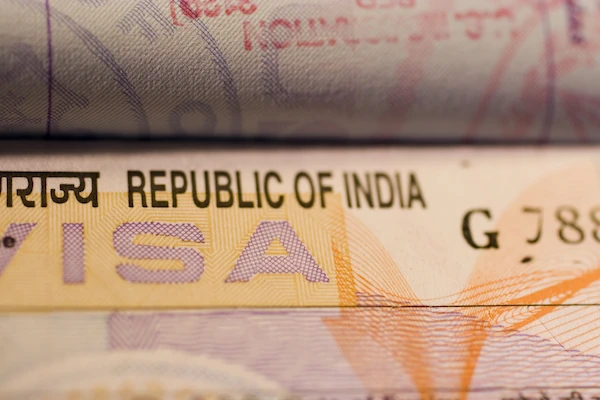
In this guide, we explain those distinctions clearly to help you select the option that matches your travel plans.
Table of contents
- India e-Visa Explained
- India e-Visa Categories
- Important India e-Visa Updates – 2026
- India Regular Visa (Paper Visa) Explained
- Types of Indian Paper Visas
- India e-Visa vs Regular Visa: Eligibility Requirements
- India e-Visa vs Regular Visa: Fees, Validity, and Entry Requirements
- India e-Visa vs Regular Visa: Processing Time
- India Tourist Visa Documents Checklist
- Get a Photo for Your India Visa Application Online!
- Pros and Cons Comparison
- Entry Requirements Upon Arrival in India
India e-Visa Explained
The e-Visa is an electronic travel authorization that allows eligible travelers to enter India without visiting an embassy or consulate. It grants entry for short-term purposes like tourism, business, medical treatment, attending conferences, or as a medical attendant.
This electronic visa links directly to your passport and is issued as an Electronic Travel Authorization (ETA), which is emailed to you before your trip. Upon arrival in India, immigration officials verify your information and place the visa sticker in your passport. You can complete the entire process online, including form submission, photo upload, passport copy submission, and payment through the India e-Visa portal. There's no need to visit an Indian consulate.
Individuals of Pakistani origin or those holding Pakistani passports generally need to apply through the standard consular visa process, as they are usually not eligible for an e-Visa.
India e-Visa Categories
There are several e-Visa categories based on the purpose of travel, such as tourism, business, and medical visits. Here you’ll find a clear breakdown of each category and what activities are permitted under them.
Primary e-Visa Categories:
- e-Tourist Visa: Suitable for leisure activities such as tourism, sightseeing, visiting friends or relatives, and short-term yoga programs.
- e-Business Visa: Designed for business meetings, establishing commercial contacts, trade, and other related activities.
- e-Medical Visa: Intended for individuals seeking medical treatment, including traditional Indian medicine.
- e-Medical Attendant Visa: Available for up to two attendants accompanying a holder of the e-Medical Visa.
- e-Conference Visa: For attending conferences, seminars, or workshops organized by Indian government entities or associated organizations.
India has recently introduced five additional e-Visa categories, which are detailed further in the article.
Important India e-Visa Updates – 2026
India's e-Visa program expanded significantly in early 2026. The most important changes to the program affecting eligibility, validity, fees, entry points, and more are listed below.
New Eligibility Changes Effective 2026
As of January 2026, India has broadened its e-Visa program to include more nationalities. The list grew from 156 to 172:
- January 6–11: The program expanded to 167 countries, welcoming Panama, Kenya, Iceland, Georgia, and several Caribbean nations.
- January 14: Additions included San Marino, Saudi Arabia, Senegal, Serbia, and Seychelles, focusing on attracting Gulf medical tourists and strengthening African and European connections.
These updates, now reflected on the IndianVisaOnline portal, increase the total eligible nationalities to 172.
Additional e-Visa Categories
There are now nine India e-Visa categories, including four newly digitized options, previously available only in paper form. Apply online at indianvisaonline.gov.in, with a streamlined 72-hour ETA processing time. The new categories are:
- e-Transit Visa: Designed for short stays during transit through India, typically allows for a 48–72-hour visit.
- e-Mountaineering Visa: For mountaineers and trekkers involved in expeditions approved by the Indian Mountaineering Foundation.
- e-Film Visa: For foreign film crews and professionals filming feature films, TV shows, or documentaries in India.
- e-Entry Visa: For individuals with close ties to India, including persons of Indian origin, spouses of Indian citizens, and select dependents of long-term foreign visa holders.
Updates to e-Visa Fee Structure
While e-Tourist fees remain stable, India has adjusted fees for business and long-term e-Visas, which are now more expensive and vary by nationality, based on a reciprocal pricing model. Here are the specific changes:
Core Government Fee Changes:
From 2025 to 2026, the 1-year e-Business visa fee increased from $80 to $120, and the 5-year e-Tourist visa fee rose from $80 to about $200 for some countries.
Reciprocal Pricing Based on Nationality
India now implements a more reciprocal pricing model: if your country charges higher fees to Indians, you pay more for an Indian e-Visa. Current fees for selected countries include:
- United States: $160
- France: $200
- United Arab Emirates: $200
- United Kingdom: $484
Additional Bank Charges
When applying through the official Indian portal, expect to pay the variable government e-Visa fee, based on nationality and category, plus a bank charge of approximately 3% on the visa fee.
For detailed fee information for your country or territory, refer to the following e-Visa fee lists available on the IndianVisaOnline portal:
Changes in Validity and Re-entry Periods
Until recently, India’s 30-day tourist e-visa had a strict requirement for travelers: applications could only be submitted up to 30 days before arrival in India. As of December 18, this window has been extended to 120 days. Note that this adjustment applies only to Electronic Travel Authorizations (ETAs) issued from the date onward.
Additionally, India has removed the annual cap on e-Visas, which previously limited individuals to three per year. Now, frequent travelers can obtain as many e-Visas as needed without resorting to paper visas.
New Entry Points or Additional Airports/Seaports/Land Borders Approved
India has increased the number of authorized entry points for e-Visa holders, enhancing accessibility and convenience:
- Airports (33 total): New additions include Vijayawada, while existing options like Ahmedabad, Bengaluru, and Delhi remain available.
- Seaports (16 total): New entries, such as Agatti in Lakshadweep, cater to cruise passengers and promote island tourism.
- Land Borders (2): Raxaul and Rupaidiha facilitate overland entry from Nepal and Bangladesh.
e-Arrival Card Requirement
Effective from October 1, 2025, India's e-Arrival Card is a mandatory requirement for all foreign nationals, including OCI cardholders. The paper option will be phased out by March 31, 2026.
The e-Arrival Card must be completed up to 72 hours before arrival via the indianvisaonline.gov.in/earrival website or the Su-Swagatam app. Remember, the e-Arrival Card is not a visa. You must still hold a valid visa or OCI card to enter India.
India Regular Visa (Paper Visa) Explained
India's regular (‘sticker’ or ‘paper’) visa is the more traditional form of travel authorization. It is a sticker or stamp placed inside your physical passport after processing by the Indian embassy or consulate in your country. Here you’ll learn who it is for and how to apply.
It is designed for:
- travelers planning stays longer than 180 days;
- those applying for work, study, research, or residency visas;
- individuals needing multi-entry access or visas outside the scope of the e-Visa options.
To apply, complete the online visa application on the official Portal for Visa Application to India, and submit it along with all necessary documents and biometrics at your nearest embassy, consulate, or Indian Visa Application Center.
Types of Indian Paper Visas
Paper visas cover a wider range of travel purposes, including long-term stays and specialized visits. Here you’ll learn which visa types fall under the regular visa system and when they are required.
Primary Paper Visa Types:
- Tourist Visa (T): Suitable for sightseeing or visiting relatives; many nationals can secure a multiple-entry visa valid for up to 5 years.
- Business Visa (B): For attending meetings or engaging in trade; offers 1–5 years validity. Registration with the Foreigners Regional Registration Office (FRRO) is required for stays over 180 days a year.
- Employment Visa (E): For employment in India, this visa requires proof of a job offer from an Indian employer and can extend up to 5 years, subject to renewal.
- Student Visa (S): Allows for full-time study or research, matching the duration of the course with an additional buffer period.
- Medical Visa (MED): Issued for extended medical treatment, valid for up to 9 months with the possibility of triple entry, contingent on hospital documentation.
Specialized Paper Visa Types:
- Entry Visa (X): Issued to persons of Indian origin, Indian spouses/children, and property owners, providing long-term multiple-entry access.
- Conference Visa (C): For attending approved conferences; generally short-term.
- Mountaineering Visa: For participating in expeditions approved by the Indian Mountaineering Foundation, valid for up to 6 months.
- Film Visa (F): For filming feature films and TV shows, requiring ministry approval, valid for up to 1 year.
- Journalist Visa (J): For media-related work, often activity-specific.
- Missionary Visa (M): For engaging in religious work with approved organizations.
Other Types of Visas to Travel to India:
- Transit Visa (TR): For short layovers, allowing single or double entry for a few days.
- Diplomatic/Official Visas: For government and official travel.
India e-Visa vs Regular Visa: Eligibility Requirements
Eligibility rules differ significantly between e-Visas and paper visas, depending on nationality and travel purpose. Below, we compare who can apply for each option.
India e-Visa: Who Can Apply
Key eligibility points include:
- Applicants must hold a valid passport from a country on India’s approved e-Visa list, which is available on the official Indian e-Visa Portal.
- The travel purpose must match one of the e-Visa categories (such as tourism, business, medical, conference, or related short-term reasons).
- Applicants must provide a digital passport scan, photo, and supporting details online. No physical visit to an embassy.
Regular (Paper) Visa: Who Can Apply
Eligibility points for Indian paper visas include:
- The applicant must hold a passport valid for at least six months beyond the planned arrival date.
- The traveler must submit required original documents and application forms in person or via a visa center, including proof of purpose (e.g., letter of admission for students, employment contract for work visas). Some visa categories require additional documentation, such as sponsorship letters, financial proof, or invitation letters.
- Regular visas are available for tourism, business, work, study, research, journalistic activities, and long-term residence, depending on the category.
- There are no nationality exclusions beyond security cases.
India e-Visa vs Regular Visa: Fees, Validity, and Entry Requirements
Costs, permitted length of stay, and number of entries vary between visa types. Here you’ll find a side-by-side explanation of fees, visa validity, and entry conditions.
Fees and Validity
e-Visa:
India’s e-Visa fees are banded in USD. The official e-Tourist visa fees are as follows:
- 30-day e-Tourist:
- $25 for arrivals between July and March;
- $10 for arrivals between April and June.
- 1-year e-Tourist: $40.
- 5-year e-Tourist: Many nationalities now show $200 in the official country-wise table. The fee is country-specific on a reciprocal basis, so some passports (e.g., the UK and US) pay more for the five-year option (e.g., the UK pays $484 and the US pays $160).
A bank charge of about 3% is added to the visa fee. Payment must be made at least four days before the intended arrival date for the application to be processed.
Regular (Paper) Visa:
Regular visas can be issued with a wider range of validity: from 6 months to multiple years, depending on purpose and consulate rules. Fees for regular (paper) Indian visas are set by each Indian embassy or consulate and are paid in local currency.
The fee for an Indian sticker tourist visa ranges from $160 for a one-year visa to $330 for a five-year visa, depending on your nationality and the issuing mission. A business visa valid for up to one year costs about $140–$200, while a business visa valid for up to three years costs approximately $300.
Entry Requirements
e-Visa:
- You must arrive in India through one of the designated airports, seaports, or land borders listed by the immigration authorities.
- Passport validity must generally cover at least six months beyond your arrival date and include blank pages for immigration stamping.
Regular (Paper) Visa:
- Accepted at all standard entry points.
- Similar passport validity rules apply, but you have more flexibility in where and how you enter.
- Depending on the visa category, you may need to present supporting documents (e.g., proof of purpose, sponsor letters).
India e-Visa vs Regular Visa: Processing Time
Processing times range from a few days to several weeks, depending on the visa type. Here you’ll see how long each option usually takes and which one is better for urgent travel.
India's e-Visa processing is swift, typically taking just 72 hours (or 3 working days) after submission. Once approved, the Electronic Travel Authorization (ETA) is sent directly to your email.
In contrast, India’s Paper Visa processing time usually ranges from 5 days to 3 weeks. If security clearances are necessary, this timeframe may extend to 1–3 months.
India Tourist Visa Documents Checklist
Regardless of the visa format, tourist visa applications require specific documents. Here is a detailed list of the necessary paperwork:
- A completed and signed visa application form, which you fill out online and print.
- A valid passport with at least six months of validity remaining and at least two blank pages.
- A recent passport-sized photograph.
- Copies of your travel itinerary, including confirmed round-trip flight bookings.
- Proof of accommodation, such as hotel reservations.
- Evidence of financial stability, like recent bank statements.
- If traveling with minors, a No Objection Certificate (NOC) from both parents might be necessary.
- Details of any previous trips to India, including previous visas, if applicable.
- Depending on your visa type, additional documents may be necessary (e.g., business letters for a business visa).
Get a Photo for Your India Visa Application Online!
Learn how to take a compliant visa photo that authorities will accept easily and conveniently.
Skip the trip to a photo studio and use modern online tools to capture a perfect visa photo. With Visafoto, a trusted photo editing service, you can get your Indian visa photo in just a few minutes. Follow these two simple steps:
- Upload a photo taken in natural daylight to the Visafoto tool below.
- Choose your country and document type (e.g., India, visa).
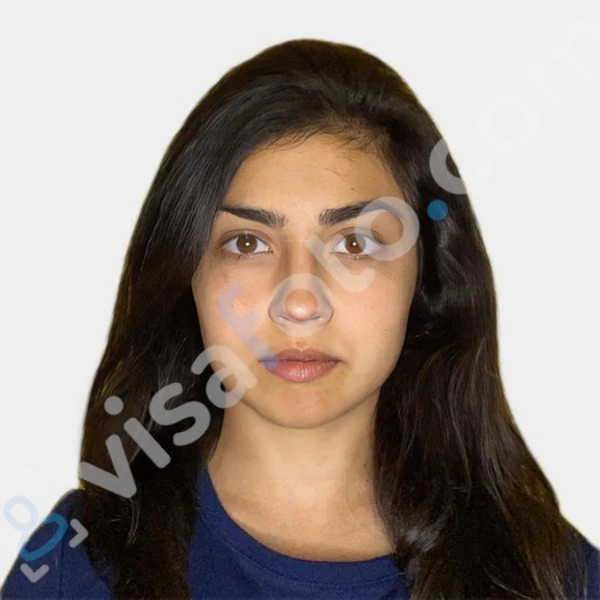
That's all! Visafoto takes care of the rest by adjusting the background, size, and head position to meet official requirements. You’ll receive a digital copy suitable for online submissions and a version ready for printing.
Here's an example of a photo you can submit to Visafoto:

And the result after Visafoto’s editing:

Boasting a 99.7% acceptance rate and more than 1,000,000 photos accepted by government authorities, Visafoto guarantees compliance with official requirements or offers a full refund. Our tech support team is available 24/7 for any assistance you may need.
Pros and Cons Comparison
Which is better: an Indian e-visa or a paper visa? Each visa option has clear advantages and limitations in terms of flexibility, cost, and convenience. The table below summarizes the key pros and cons in a simple, easy-to-scan format.
| Aspect | e-Visa Pros | e-Visa Cons | Regular Visa Pros | Regular Visa Cons |
|---|---|---|---|---|
| Application Process | Fully online; no embassy visit; simple uploads (passport scan, photo) | Limited categories (tourist/business/medical only); no work/study | Covers all purposes (work/study/long-term); all nationalities eligible | Online form + in-person embassy submission/biometrics |
| Processing Time | 72 hours–10 days; ETA emailed | No rush option | Thorough review can lead to high approval for complex cases | 10–15+ days routine; up to 1–3 months with clearances |
| Cost | Low fixed fees for short-term e-tourist visas ($10–25–40) + 3% bank fee | Non-refundable; nationality surcharges (e.g., UK $484 for a 5-year e-tourist visa) | Long validity; multi-purpose | Higher/nationality-based fees ($100–300+); service fees extra |
| Validity & Entries | Up to 5 years tourist (multiple, 180 days/year cap); no annual visa limit | Non-extendable; 180-day/visit caps; specific ports only | Up to 5+ years; flexible stays/entries; extendable via FRRO | Requires passport courier; higher rejection risks |
| Entry & Arrival | Seamless with printed ETA + e-Arrival Card | Restricted entry points: must enter via designated 51 airports/seaports/land only | Any immigration post; no ETA needed | More document scrutiny possible |
| Eligibility | 172 countries (no Pakistani origin) | Excludes restricted areas without clearance | Universal access | Interviews for complex cases |
Thus, e-Visas suit quick vacations if eligible, while regular visas fit work, long stays, or complex cases.
Entry Requirements Upon Arrival in India
A valid visa is not the only requirement for entering India. Here you’ll learn what to prepare before your trip and what rules apply at the port of entry.
Pre-Arrival Steps:
- Complete the electronic Arrival Card (e-Card) online within 72 hours of your arrival. Carry a printout or digital copy of the confirmation.
- For e-Visa holders: Print the ETA email as airlines will require verification before you board.
- For Regular visa holders: Show the physical visa sticker in your passport.
- Health requirements: Provide a Yellow Fever vaccination certificate if you are arriving from a country with a transmission risk or a Polio vaccination if you are from a polio-affected country.
At the Immigration Checkpoint:
- Head to the e-Visa or visa counter. Submit your passport, ETA/visa, e-Card, return ticket, and, if requested, proof of funds and accommodation.
- Complete fingerprinting, facial scans, and photo capture. An officer will endorse your visa with an entry stamp indicating your permitted stay duration.
Post-Arrival Formalities:
- If you plan to stay more than 180 days, register with the Foreigners Regional Registration Office (FRRO) within 14 days of your arrival. This applies to holders of long-term visas, such as Student and Employment visas, and e-Business visa holders whose stay exceeds 180 days in a calendar year.
- Ensure that your hotel registers you as a foreign guest with the FRRO.
- Avoid overstaying your visa. Overstaying is illegal and can result in fines, deportation, and bans on future entry. Overstay fines start at INR 500 per day (approximately $5.5).
Best of luck with your India visa application!