The Accredited Employer Work Visa (AEWV) in New Zealand. Application and updates

The AEWV is New Zealand’s main temporary work visa for migrants who have a job offer from an accredited employer. The visa can allow you to work in New Zealand for up to five years, depending on your job and circumstances.
Read this article to learn everything you need to know about New Zealand AEWV, including new English language requirements, the application process, and visa photo specifications.
Table of contents:
- What is the Accredited Employer Work Visa?
- AEWV requirements
- Documents for an AEWV application
- Get your New Zealand visa photo online!
- How to apply for an AEWV
- How much does the AEWV cost?
- How long does an AEWV application take?
- How long can you stay in New Zealand on an AEWV?
- What changed for AEWV workers in 2026?
- Can an AEWV lead to New Zealand residence?
- Can AEWV holders bring their family?
- Can you change employers on an AEWV?
- FAQ
What is the Accredited Employer Work Visa?
The Accredited Employer Work Visa (AEWV) is New Zealand’s main temporary work visa for skilled workers with a job offer from an accredited employer. It is a common route for overseas workers who want to take up employment in New Zealand.
In this article, we list other New Zealand temporary work visa categories.
Who is it for?
The AEWV is intended for workers who have a full-time job offer of at least 30 hours per week from an employer accredited by Immigration New Zealand. It is commonly used by skilled workers applying from overseas and international graduates moving into employment after studying in New Zealand.
For a full list of New Zealand AEWV visa jobs, check out the official National Occupation List page.
What does the visa allow?
An AEWV generally allows you to:
- work only for the employer, in the job and location specified on your visa;
- work the hours and receive at least the pay stated in the approved job offer;
- study for up to 3 months in any 12-month period, unless the study forms part of your employment;
- support eligible visa applications for your partner and dependent children, depending on your income and the skill level of your role. Family members must apply for their own visas.
The AEWV is tied to your approved employment. If you want to change your employer, job, or work location, you generally need to obtain a Job Change, variation of conditions, or another visa before starting the new arrangement. The AEWV does not allow you to take a second job.
An AEWV can also provide a route to residence if you later meet the requirements of a separate residence category, such as the Green List, Skilled Migrant Category, or a sector-specific Work to Residence pathway. The AEWV itself does not grant permanent residence.
AEWV requirements
The Accredited Employer Work Visa has specific requirements covering your job, qualifications, English ability, health, and character. You must also demonstrate that you intend to follow the conditions of your visa. Below, we explain the key requirements.
- Job offer: You must have an approved full-time job offer from an accredited New Zealand employer. The role must provide at least 30 hours of work per week, and your pay must meet the market rate for the occupation and location.
- Skills and qualifications: You generally need either at least 2 years of relevant work experience or a relevant qualification at NZQCF Level 4 or above. Requirements may differ depending on the occupation.
- English language: From 1 June 2026, English requirements apply to AEWV roles classified at ANZSCO or NOL skill levels 3–5. You can meet this requirement through qualifying citizenship, work, or study history, or by taking an approved in-person English test. Test results generally must be no more than 2 years old when you apply.
- Health and character: You must meet New Zealand’s health and character requirements. Depending on your circumstances and planned stay, INZ may require a medical examination, chest X-ray, and/or police certificates.
- Genuine intentions: You must intend to work in the approved role for the employer named on your visa and comply with all visa conditions.
The AEWV visa in New Zealand has no maximum age limit. Applicants over the age of 55 can apply if they meet the requirements. However, many skilled residence pathways, including the Green List Straight to Residence and Work to Residence pathways, require applicants to be 55 or younger when applying for residence.
Documents for an AEWV application
Before applying for a New Zealand Accredited Employer Work Visa, prepare the documents required by Immigration New Zealand.
You may need:
- a signed New Zealand job offer;
- a copy of your employment agreement and job description;
- a valid passport or certificate of identity, valid for at least 3 months beyond the date you plan to leave New Zealand;
- a compliant visa photo;
- evidence of your work experience, skills, and qualifications;
- proof of occupational registration, where required;
- evidence of your English-language ability, where applicable;
- police certificates, if required;
- a chest X-ray certificate, if required;
- a medical certificate, if required;
- certified translations of documents that are not in English.
Check the full AEWV document checklist on the official Immigration New Zealand website to see which documents apply to your case.
Note: For online applications, upload documents as PDF files and images as JPEG or JPG files.
Get your New Zealand visa photo online!
A New Zealand visa requires a digital photo that meets strict technical requirements. Your photo must:
- be 900 × 1200 to 2250 × 3000 pixels;
- have a 3:4 portrait aspect ratio;
- be a JPG or JPEG file;
- have a file size of 512 KB to 3.14 MB.
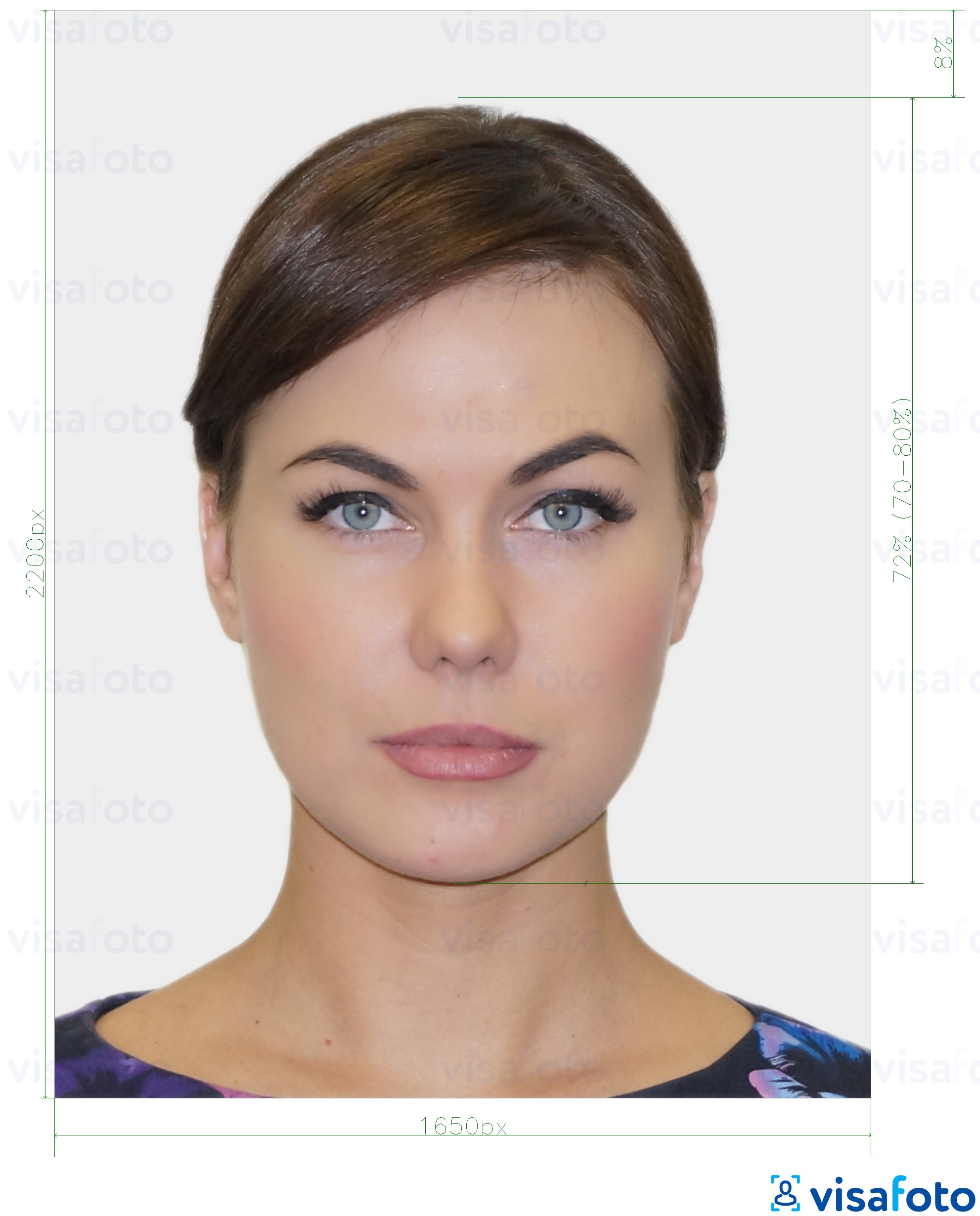
With Visafoto, a trusted online visa photo service, you can create a professional-quality New Zealand work visa photo from home in just a few minutes, without visiting a photo studio. Just follow these two steps:
- Upload a photo taken in natural light to the Visafoto tool below.
- Select New Zealand and visa as the document type.
Visafoto automatically prepares your image to meet the required specifications, including the background, dimensions, and head position. You receive a digital file ready for online submission, as well as a printable version.
The service can also improve image quality when needed. It can adjust lighting, enhance clarity and resolution, and fix framing when the original photo is cropped too closely. You can even use your phone to photograph an existing passport photo and have Visafoto optimize the resulting image.
If your original photo already meets the quality requirements, Visafoto leaves it unchanged.
Original photo:

Result after Visafoto editing:
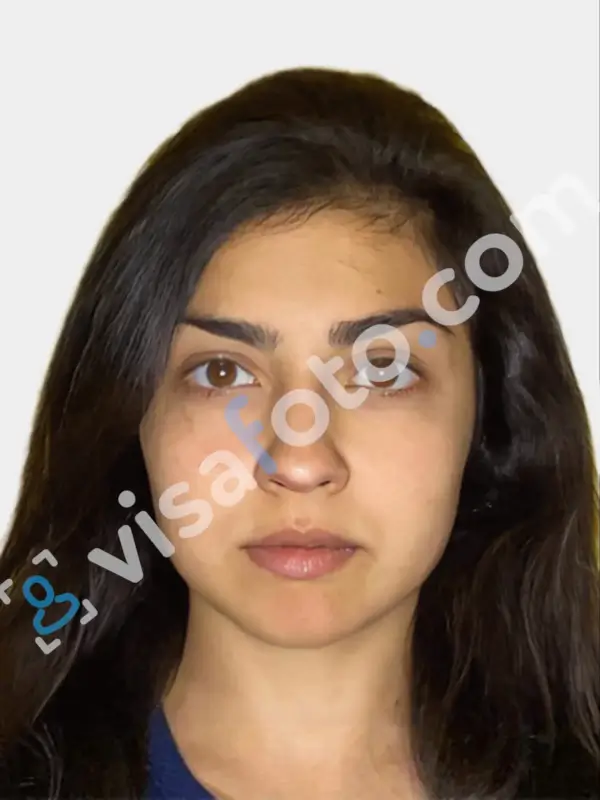
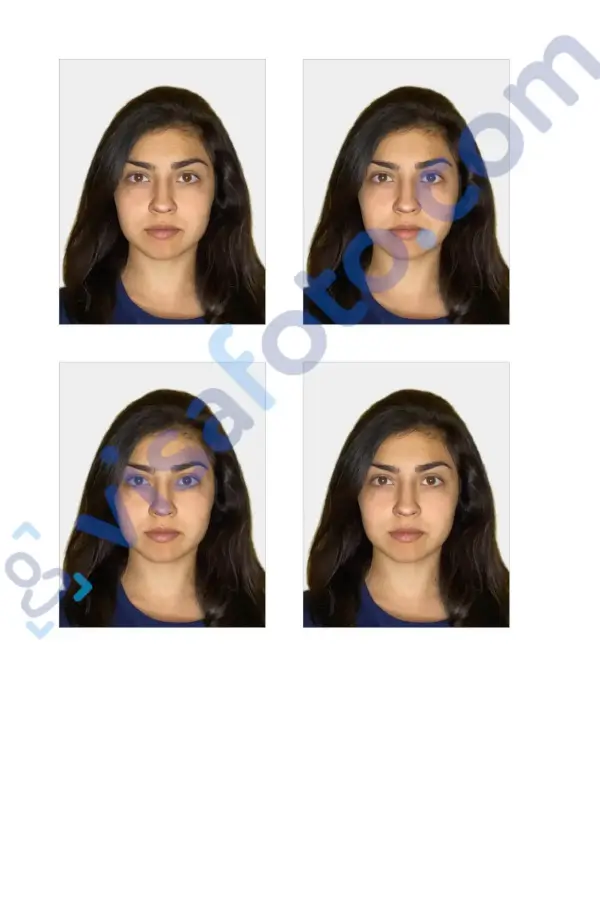
Visafoto has a 99.7% acceptance rate and more than 1,000,000 approved images. If your photo is rejected, you receive a full refund. Our technical support team is available 24/7 to assist you.
How to apply for an AEWV
The AEWV application has three main stages. Your employer must complete the first two before you can submit your visa application to Immigration New Zealand (INZ). Below is the complete application process.
Step 1: Employer accreditation
Your employer must hold a valid INZ accreditation to hire migrant workers. Accreditation confirms that the business meets INZ requirements and can employ workers from overseas.
Step 2: Job Check
After receiving accreditation, the employer applies for a Job Check for the position they want to fill. Depending on the role and its skill level, the employer may need to show that suitable New Zealand citizens or residents are not available for the job.
Step 3: Submit your AEWV application
Once INZ approves the Job Check, your employer gives you a unique job token. You use this reference to connect your visa application with the approved job offer.
Here is how to apply online:
- Receive the invitation to apply: After the Job Check is approved, INZ emails you an invitation to apply. The email includes a link to your draft application in Immigration Online.
- Complete the application: Sign in to Immigration Online with your RealMe account, open the draft application, enter your job token, and provide the required details about your job, health, and character.
- Upload your documents: Add digital copies of all supporting documents required for your application.
- Pay the fee and submit: Pay online by credit or debit card, or use internet banking through POLi.
- Wait for the decision: If INZ approves your application, you’ll receive an eVisa.
Important: Before applying, check the official Immigration New Zealand website to confirm that your employer is accredited and that the Job Check for your position has been approved.
How much does the AEWV cost?
In 2026, the New Zealand work visa fee is NZD 1,540 for the main applicant. This includes a NZD 480 application fee and a NZD 1,060 immigration levy.
This amount covers the worker’s visa application only. It does not include the employer’s accreditation or Job Check costs, which the employer pays separately.
You should also budget for other expenses related to your application. Some may be mandatory, while others depend on your circumstances. These costs are separate from the fees charged by Immigration New Zealand.
How long does an AEWV application take?
An AEWV application takes around 3 weeks on average. As of September 2026, Immigration New Zealand completes 80% of applications within 8 weeks.
These Accredited Employer Work Visa processing time estimates are based on working days, so weekends and New Zealand public holidays are not included. INZ updates its processing figures weekly using applications handled during the most recent 4-week reporting period.
Because processing times can change, check the AEWV Wait Times page on the New Zealand Immigration website before submitting your application.
How long can you stay in New Zealand on an AEWV?
Your maximum stay on an Accredited Employer Work Visa depends on the skill level and type of your job:
- ANZSCO/NOL skill level 1–3: up to 5 years
- Eligible Green List, Transport Sector, and Care Workforce roles: up to 5 years, provided you meet the applicable pay requirements
- ANZSCO skill level 4–5: up to 3 years.
What changed for AEWV workers in 2026?
The main AEWV visa change in 2026 is the extension of the English-language requirement to skill level 3 roles from 1 June. Other updates include new occupations being added to the system, three roles moving to skill level 4, and changes to wage-related thresholds that affect family support and some visa conditions. Below, we explain the key New Zealand AEWV visa changes.
The English language requirement now applies to skill level 3
From 1 June 2026, applicants for AEWVs in ANZSCO or National Occupation List (NOL) skill level 3 roles must meet the minimum English-language standard. Previously, the requirement generally applied only to skill levels 4 and 5.
Applicants can meet the requirement through eligible citizenship, qualifying study or work experience, or an approved English-language test.
Several transition rules apply:
- The new requirement does not change the conditions of an AEWV that has already been granted.
- If your current AEWV expires on or before 1 December 2026, you are exempt when applying for another skill level 3 AEWV.
- You are also exempt if you provided acceptable evidence of English proficiency in a previous AEWV application.
- The English requirement does not apply to Job Change applications.
47 new occupations recognised
From 9 March 2026, Immigration New Zealand added 47 NOL occupations at skill levels 1–3. This expanded the range of Accredited Employer Work Visa sponsorship jobs in New Zealand, including several chef occupations that are now distinguished by skill level and seniority.
The change may benefit workers previously employed in related skill level 4 or 5 roles. If their employer obtains a Job Check for an eligible skill level 1–3 position and the worker meets the requirements, they may qualify for a new AEWV with a longer maximum stay.
Three occupations moved to skill level 4
Also from 9 March 2026, these occupations moved from skill level 3 to skill level 4:
- Pet groomer
- Nanny
- Kennel hand
New Job Checks and AEWV applications for these roles must now meet the requirements that apply to skill level 4 occupations.
Residence changes are separate from AEWV rules
On 24 August 2026, New Zealand introduced changes to the Skilled Migrant Category, including new Trades and Technician and Skilled Work Experience residence pathways, revised qualification rules, updated wage settings, and new red and amber occupation lists.
These measures affect residence eligibility rather than the general AEWV rules.
One future AEWV measure is also planned. From 2027, some migrants who need up to 12 additional months of skilled work experience in New Zealand to qualify for SMC residence may be able to extend their AEWV for this purpose. This option is planned for 2027 and is not available in 2026.
Higher wage-linked thresholds
On 9 March 2026, New Zealand’s immigration median wage increased to NZD 35.00 per hour. This did not bring back a general median-wage requirement for the AEWV, which Immigration New Zealand removed in March 2025. However, several AEWV-related thresholds remain linked to the median wage, so they increased accordingly.
Can an AEWV lead to New Zealand residence?
Yes. An Accredited Employer Work Visa can provide a route to New Zealand residence through several skilled residence pathways. The right option depends on your occupation, qualifications, registration, salary, and skilled work experience in New Zealand.
Key points for AEWV holders:
- Salary matters. Residence pathways have specific wage requirements. From March 2026, the median wage is NZD $35.00 per hour for many residence applications, although some occupations have different or higher thresholds.
- Grandfathering may protect your eligibility. If you start qualifying employment at the required wage, a later increase in the median wage generally does not affect you while you remain in the same role and continue meeting the applicable conditions.
- Residence may require stronger English. Some AEWV applicants only need basic English, such as IELTS 4.0 for certain roles. Residence applications can have a higher English standard, often equivalent to IELTS 6.5, depending on the pathway.
Can AEWV holders bring their family?
Yes, eligible AEWV holders can support visas for their partner and dependent children. However, family members must submit separate visa applications, and your ability to support them depends on factors such as your job’s skill level, occupation, salary, and eligibility under the relevant rules.
Family visas available
Depending on your circumstances, you may be able to support:
- Partner of a Worker Work Visa
- Partner of a Worker Visitor Visa
- Dependent Child Student Visa
- Child of a Worker Visitor Visa
Your family members are not included in your AEWV application. Each person applies separately and must meet the requirements for their visa. Their visas will generally have an expiry date linked to yours.
AEWV holders on a Global Workforce Seasonal Visa or Peak Seasonal Visa generally cannot support family visas. These seasonal work visas have separate family-visa rules.
Can you change employers on an AEWV?
Yes. You can change employers while holding an AEWV, but you must receive approval before starting work for the new employer. The process is called a Job Change, a type of Variation of Conditions. It does not reset or extend your current visa expiry date.
Standard employer-change process
In most cases, you need to apply for a Job Change with your new employer. The employer must:
- Be accredited: They must hold current accreditation under the AEWV scheme.
- Have an approved Job Check: The employer must have a valid Job Check and job token for the position offered to you. The Job Check must support an AEWV.
- Provide a compliant employment agreement: The agreement must not include a 90-day trial period, which is not permitted when changing to a new employer under the AEWV.
Streamlined process for a business sale or restructure
A simplified process applies when your employment moves to another company because of a business sale, merger, or restructure.
To qualify:
- Your role and location must stay the same: You must continue in the same role and location, with the same or higher pay.
- The new employer must meet AEWV requirements: They must be accredited or have applied for accreditation and confirm that they are re-employing you.
- A new Job Check is not required: You can use the Job Check number from your original AEWV application. You must provide evidence of the business sale, merger, or restructure.
What if your employment ends?
If your job ends, your employer must notify Immigration New Zealand within 10 working days. Once the employment linked to your AEWV ends, you no longer meet the conditions of that visa.
Act promptly: you can look for another eligible job and apply for a Job Change, apply for another visa, or leave New Zealand. The time available depends on your circumstances, so do not assume you can remain in the country until the expiry date printed on your AEWV.
Important: Your AEWV is tied to the employer and job specified in your visa. You must have your Job Change approved before starting work for a different employer, unless you qualify for the streamlined business-sale or restructure process.
FAQ
Is the $35 median wage required for every AEWV in 2026?
No. The $35 median wage is not a general AEWV requirement. Immigration New Zealand (INZ) removed this blanket wage threshold in March 2025. However, employers must still pay the market rate for the role and location.
The $35 threshold still applies in some other immigration contexts, including:
- Green List salary thresholds
- Income requirements for supporting partners and dependent children
- Eligibility for certain residence pathways, including the Skilled Migrant Category
Do skill-level 3 AEWV applicants need English in 2026?
Yes. From 1 June 2026, new AEWV applicants for skill level 3 roles must meet the minimum English-language requirement. Previously, this requirement applied only to skill levels 4 and 5. The required level is basic everyday English, equivalent to IELTS 4.0 or an accepted equivalent.
Some applicants are exempt. This includes those whose current AEWV expires on or before 1 December 2026 when they apply for another skill level 3 AEWV, as well as applicants who have already provided acceptable English evidence in a previous AEWV application.
Can I change employers on an AEWV?
Yes, but you need INZ approval before starting the new job. Your new employer must be accredited and have an approved Job Check for the position. You then apply for a Job Change. Remember that a Job Change does not extend your visa expiry date.
How long can I stay in New Zealand on an AEWV?
Your maximum continuous stay depends on your job’s skill level. Skill level 1–3 roles allow a stay of up to five years, while skill level 4–5 roles generally allow up to three years. After reaching your maximum stay, you must spend 12 months outside New Zealand before applying for another AEWV.
Can my partner come to New Zealand on my AEWV?
Yes, but eligibility depends mainly on your job’s skill level and other conditions. Partners of AEWV holders in skill level 1–3 roles can generally qualify for a visitor visa and may be eligible for an open work visa.
AEWV holders in skill level 4–5 roles generally cannot support a partner’s visa unless their role has a clear residence pathway or they meet a specified high-income threshold.
Can an AEWV lead to permanent residence?
Yes, an AEWV can provide a route to residence, but it does not grant residence automatically. Depending on your occupation and circumstances, you may qualify through pathways such as the Green List, Care Workforce, Transport, Highly Paid, or Skilled Migrant Category. Each pathway has its own eligibility requirements.
What is the new Skilled Work Experience pathway?
The new Skilled Work Experience pathway targets experienced workers in ANZSCO skill level 1–3 roles. Applicants generally need at least 5 years of directly relevant work experience, including at least 2 years of skilled work experience in New Zealand.
Additional conditions apply to roles on the Amber List, including a requirement in some cases to earn at least 1.2 times the median wage.
Can tradespeople use the new 2026 residence pathway?
Yes. The new Trades and Technician Pathway is designed for eligible tradespeople and technicians. Applicants generally need a role on the approved occupation list, a relevant Level 4 or higher qualification, and at least four years of post-qualification work experience.
This must include at least 18 months of relevant work experience in New Zealand while earning at least the SMC wage threshold.
Does self-employed work count toward the new Skilled Work Experience pathway?
No. Under the new Skilled Work Experience and Trades and Technician pathways, which take effect on 24 August 2026, self-employed work does not count toward the required experience. INZ does not accept self-employment evidence for the directly relevant work experience requirement because this type of work can be difficult to independently verify, even with tax records.
What happens to my AEWV if I lose my job?
Your AEWV is linked to the employer named on your visa, so you cannot automatically start working for another employer after losing your job. To stay in New Zealand, you can:
- Find another accredited employer, obtain a new Job Check, and apply for a Job Change. Your original visa expiry date remains unchanged.
- Apply for a visitor visa while looking for a new job. You cannot work on a visitor visa.
- Apply for an eligible partner-based visa if your partner holds a work visa or is a New Zealand citizen or resident.
- Obtain another suitable visa or leave New Zealand if you do not qualify for these options.
Your former employer must notify INZ if your employment ends more than one month before your AEWV expires.
Can my employer charge me for recruitment or visa-related costs?
No. Employers cannot pass their recruitment or visa-related costs on to AEWV workers. Prohibited charges include:
- Employer accreditation fees
- Job Check fees
- Recruitment or advertising agency fees
- Trade testing costs
- Branded uniform costs
- Compulsory training costs
You are generally responsible for your own AEWV application fee. Charging workers for prohibited costs breaches the employer’s INZ obligations and may put its accreditation at risk.
Do I need an NZQA assessment for an overseas qualification?
Often, yes. Most overseas qualifications require an NZQA International Qualification Assessment (IQA), unless the qualification appears on INZ’s List of Qualifications Exempt from Assessment or qualifies for another exemption. Certain accredited engineering qualifications, for example, may be exempt.